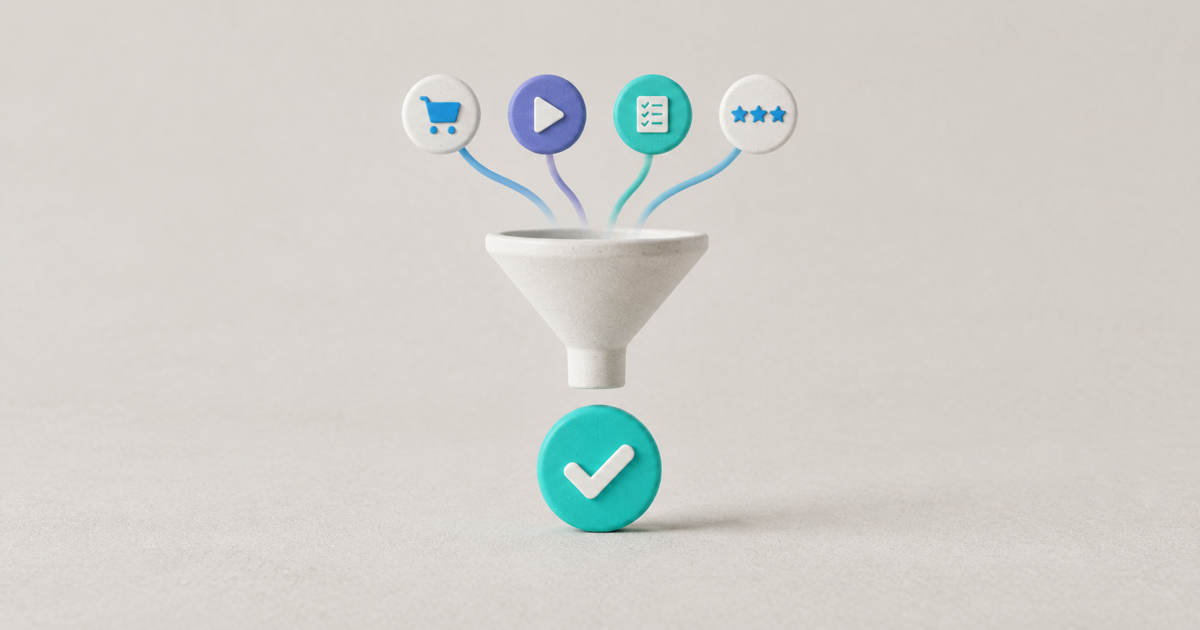

Most businesses only celebrate the sale. But by the time someone buys, they have already told you a dozen times that they were interested. They added something to a cart, watched a demo video, scrolled to your pricing page, or signed up for a newsletter. Each of those is a micro-conversion, and if you are not tracking them, you are flying blind on everything that happens before the big win.
A micro-conversion is a small action a visitor takes on the way to becoming a customer. It is not the final sale or signed contract, but it is a measurable signal that someone is moving in the right direction. Taken alone, a single micro-conversion does not mean much. Taken together, they form a map of your funnel that tells you exactly where interest builds and where it quietly dies.
Why Macro-Conversions Alone Tell You Too Little
Most sites track one thing well: the final conversion. A purchase, a signup, a booked call. That number matters, but it is a lagging indicator. By the time it moves, the decision that caused it happened days or weeks earlier, often on a page you never looked at twice.
If your checkout conversion rate drops, a macro-conversion report tells you something is wrong. It does not tell you whether people stopped adding items to their cart, stopped entering shipping details, or stopped at the payment field. Micro-conversions fill in that gap. They turn one blunt number into a sequence of smaller numbers you can actually act on.
What Counts as a Micro-Conversion
Micro-conversions vary by business, but a few show up almost everywhere:
- Adding a product to a cart or wishlist
- Starting a signup form, even if it is not finished
- Watching a demo or explainer video past the halfway mark
- Scrolling to the pricing or comparison section of a page
- Opening a live chat widget or FAQ accordion
- Downloading a guide, template, or spec sheet
- Returning to the same page on a second visit
- Subscribing to a newsletter or following a social account
None of these pay the bills directly. But each one correlates with a higher chance of eventually converting, and that correlation is what makes them worth measuring. The trick is picking the ones that actually predict revenue for your specific business, not just copying a generic list.
Finding the Micro-Conversions That Actually Matter
Not every small action is worth tracking. A visitor hovering over a menu item for half a second is not a signal. The goal is to find the handful of behaviors that show up disproportionately often in the paths of people who go on to buy.
The most reliable way to find them is to look backward from your existing customers. Pull up session recordings or funnel data for people who converted in the last month and look for patterns. Did most of them watch a specific video? Visit the same comparison page? Open the FAQ before checking out? If you see the same behavior repeating across converted sessions but missing from sessions that bounced, you have found a real micro-conversion worth tracking going forward.
The best micro-conversions are not the ones that feel important. They are the ones that actually show up in the paths of people who paid you.
This is where session replay tools earn their keep. Reading a funnel report tells you that drop-off happened between step two and step three. Watching the actual recordings tells you why: a confusing label, a field that would not accept a valid input, a price that only appeared after four clicks. LeadFnF gives you both views from one lightweight script, so you can move from "something broke here" to "here is exactly what broke" without juggling three different tools.
Turning Micro-Conversions Into a Working Funnel
Once you know which small actions matter, the next step is mapping them in order. A simple funnel might look like: landing page view, scroll past the fold, pricing page view, signup form started, signup form completed, first login, first meaningful action in the product. Each step is a micro-conversion except the last, which might be your actual macro-conversion depending on your business model.
With that map in place, you can calculate a drop-off rate between every single step instead of one big number at the end. If 40 percent of people who view pricing never start the signup form, that is a specific, fixable problem. Maybe the pricing is unclear, maybe the signup button is buried, maybe the page loads slowly on mobile. You cannot fix what you cannot see, and a single conversion rate hides all of this detail inside one average.
This is also where heatmaps and funnel data work well together. The funnel tells you which step is leaking. A heatmap or recording of that specific step tells you why people are clicking the wrong thing, missing a field, or abandoning before they even scroll far enough to see your call to action.
Common Mistakes When Tracking Micro-Conversions
Teams that start tracking micro-conversions usually run into the same few problems. The first is tracking too many things at once. If you set up fifteen micro-conversion events in your first week, you will drown in data you cannot interpret. Start with three to five that you have reason to believe matter, based on actual customer behavior, and add more only once you trust the first batch.
The second mistake is treating every micro-conversion as equally valuable. A newsletter signup and a pricing page view are not the same strength of signal. Weight them if your tooling allows it, or at minimum keep them in separate reports so one does not drown out the other.
The third mistake is setting it up once and never revisiting it. Products change, pages get redesigned, and what predicted a sale six months ago might not predict one today. Revisit your micro-conversion list every quarter and check it against fresh session data, not just the assumptions you made when you first set it up.
Start Small and Let the Data Lead
You do not need an elaborate measurement plan to start benefiting from micro-conversions. Pick one step in your funnel that feels uncertain right now, the one where you genuinely do not know why people leave, and set up tracking and a few session recordings around it this week. Watch ten to twenty real sessions. Patterns usually show up faster than people expect.
Micro-conversions will not replace your revenue numbers, and they should not. But they give you the early warning system that revenue numbers cannot, because they show you the small decisions happening long before the big one. Watching real sessions alongside your funnel data, with a tool like LeadFnF running a single lightweight, privacy-first script, makes it much easier to see where visitors hesitate and why, instead of guessing from a spreadsheet.
If you want to see where your own funnel leaks before the final step, try LeadFnF free and start watching the small wins that predict the big ones.